Genetically Engineered Insulin

Every single person out of 3 persons living on the plant is suffering from diabetes which is very serious issue that even can cost your life. It is due to some irregularities in the eating habit.
And many people do not know that diabetes is hereditary that as a parent if you have been diagnosed with diabetes then your child is also at risk.
Diabetes is so risky that according to The National Diabetes Statistics Report 2020 more than 2 lakh children have been diagnosed with diabetes in only united states only. So this is high time we need to do something so for this science has provided us a solution that is "Genetically Engineered Insulin".
Now let's study about the structure of Insulin
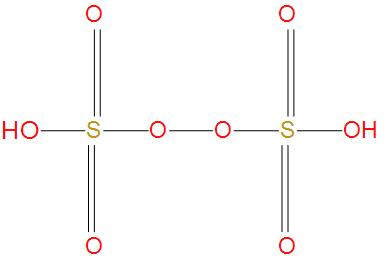
Human Insulin is made up of 51 amino acids arranged in two polypeptide chains, A having 21 amino acids and B have 30 amino acids. The 2 polypeptide chains are interconnected by two disulphide bridges or S-S linkages. S-S linkages also occur in A chain. Below is the diagram of S-S linkages for better understanding :-
The hormone develops from a storage product called Proinsulin. Proinsulin has three chains A, B and C. C chain with 33 amino acid is removed prior to insulin formation. Bacteria cannot be made to synthesise insulin from its gene because of the presence of introns.

Now let's see how insulin Synthesized ?
Insulin is produced by the Beta cell of the islets of Langerhans of the pancreas. The gene for this protein synthesis is located on chromosome 11. In mammals, including humans, insulin is synthesized as a prohormone like a proenzyme, prohormone needs to be processed before it becomes fully mature and functional hormone which contains an extra stretch called C Peptide.

This C peptide is not present in mature insulin and is removed during maturation into insulin. The main challenge for production of Insulin using our DNA technique was getting insulin in mature form. In 1983 Eli Lilly an american company first prepared two DNA sequences corresponding to A and B chains of human insulin and introduced them in plasmids of Escherichia coli to produce insulin chains.
Chains A and B were produced separately extracted and combined by creating Disulfide bonds to form Human Insulin

No comments:
Post a Comment